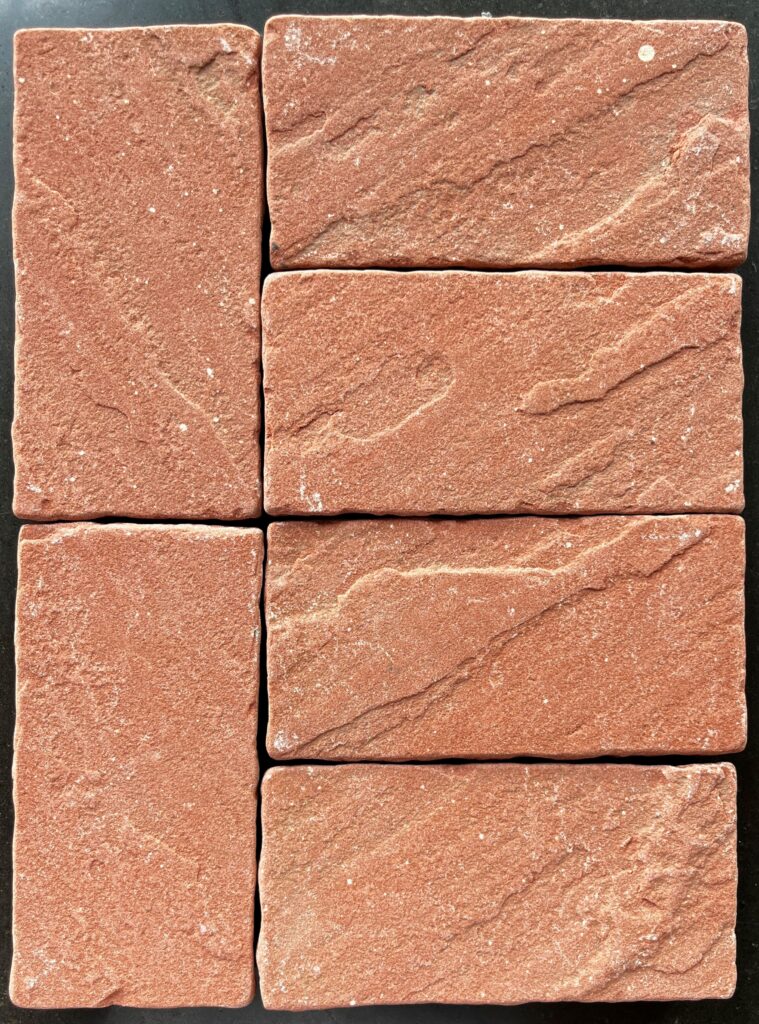

Madras Red Sandstone belongs to the Vindhyan Supergroup, dating back to the Proterozoic Era (roughly 1.6 billion to 540 million years ago), a vast geological formation of sedimentary rocks that stretches across a large part of central India. The sandstone sediments of this supergroup originates from rocks of the Aravalli range, one of the oldest mountain ranges in India formed during the Precambrian Era (roughly 2.5 to 1.8 billion years ago). Within the Vindhyan Supergroup, the red sandstone is part of a specific formation that is known for its fine-grained texture and consistent red color. The intense red hue is primarily due to the presence of hematite (iron oxide) that coats the individual sand grains, giving the rock its characteristic color. Also known as Agra Red, it is a specific type of red sandstone quarried in Rajasthan, India.
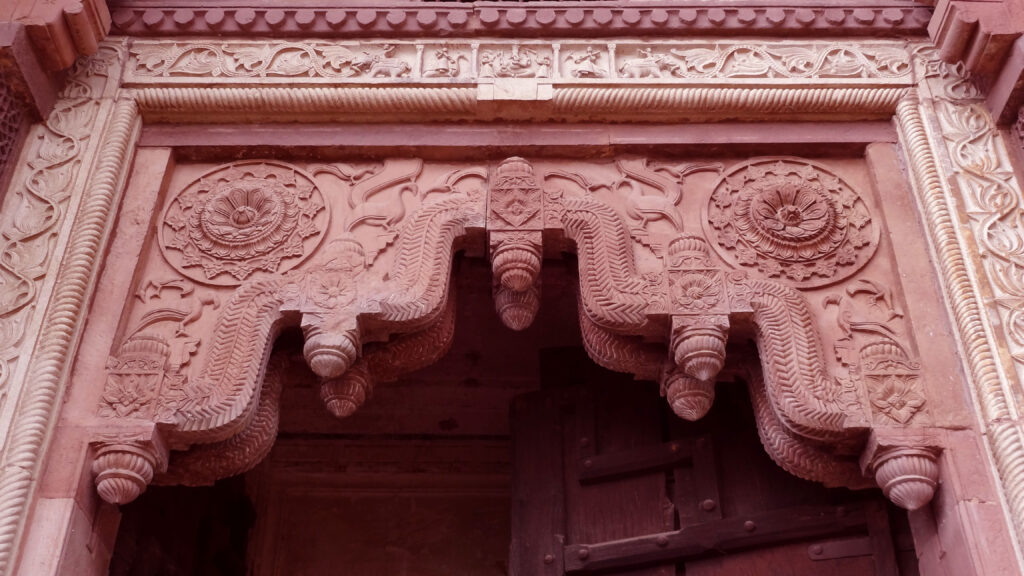
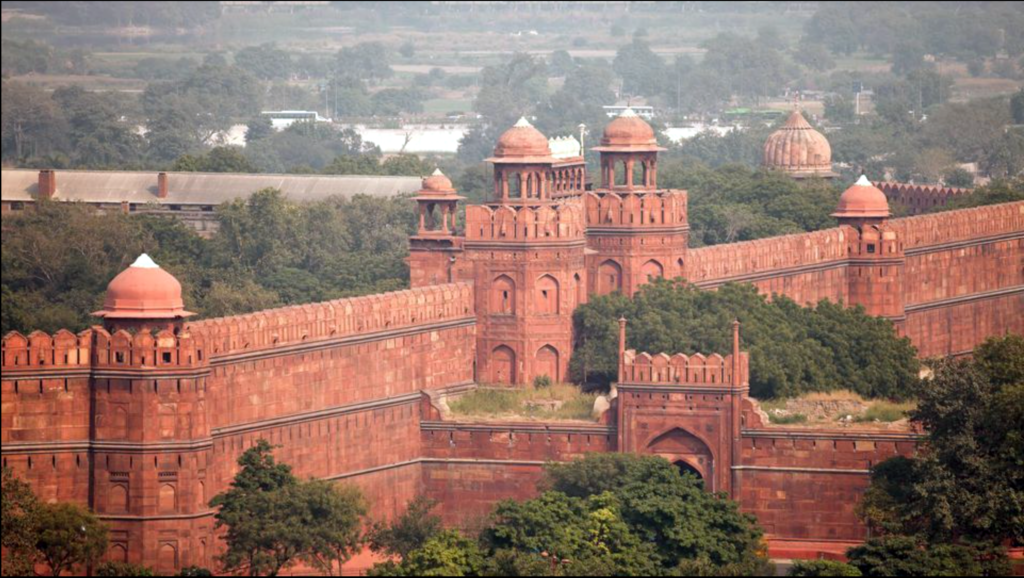
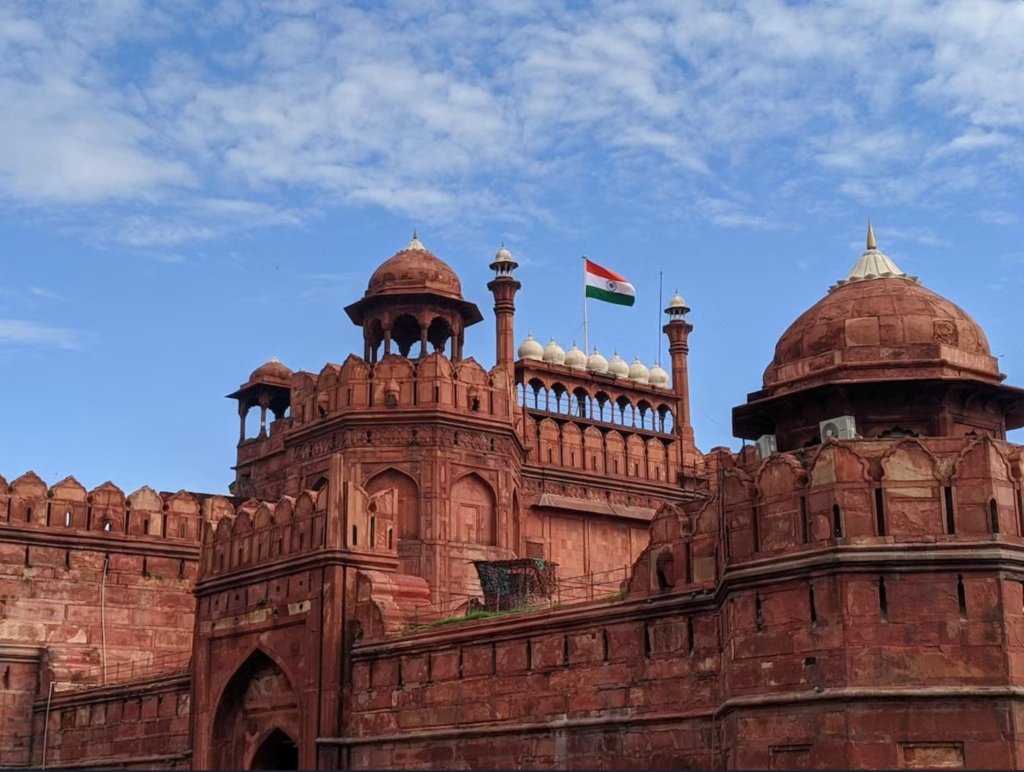
Madras Red Sandstone typically has a fine to very fine-grained texture, which makes it relatively easy to carve intricate designs and shapes, and thus it became a favorite material for sculptors and artisans of Mughal era circa 300-500 years ago. Playing a crucial role in Mughal architecture, the golden age of architecture that also commemorated the Taj Mahal, it was extensively used in the construction of magnificent forts, palaces, and mosques, including the Agra Fort, the Red Fort and Fatehpur Sikri. The use of this red sandstone in these grand structures was not just aesthetic; it also symbolized power and authority.
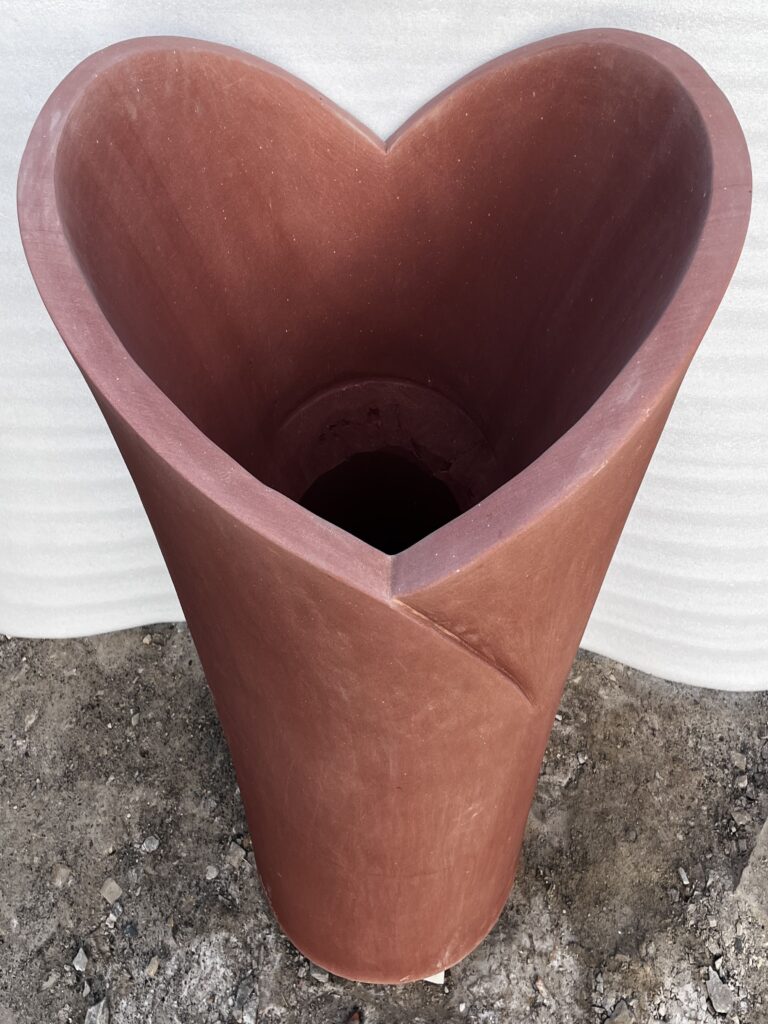
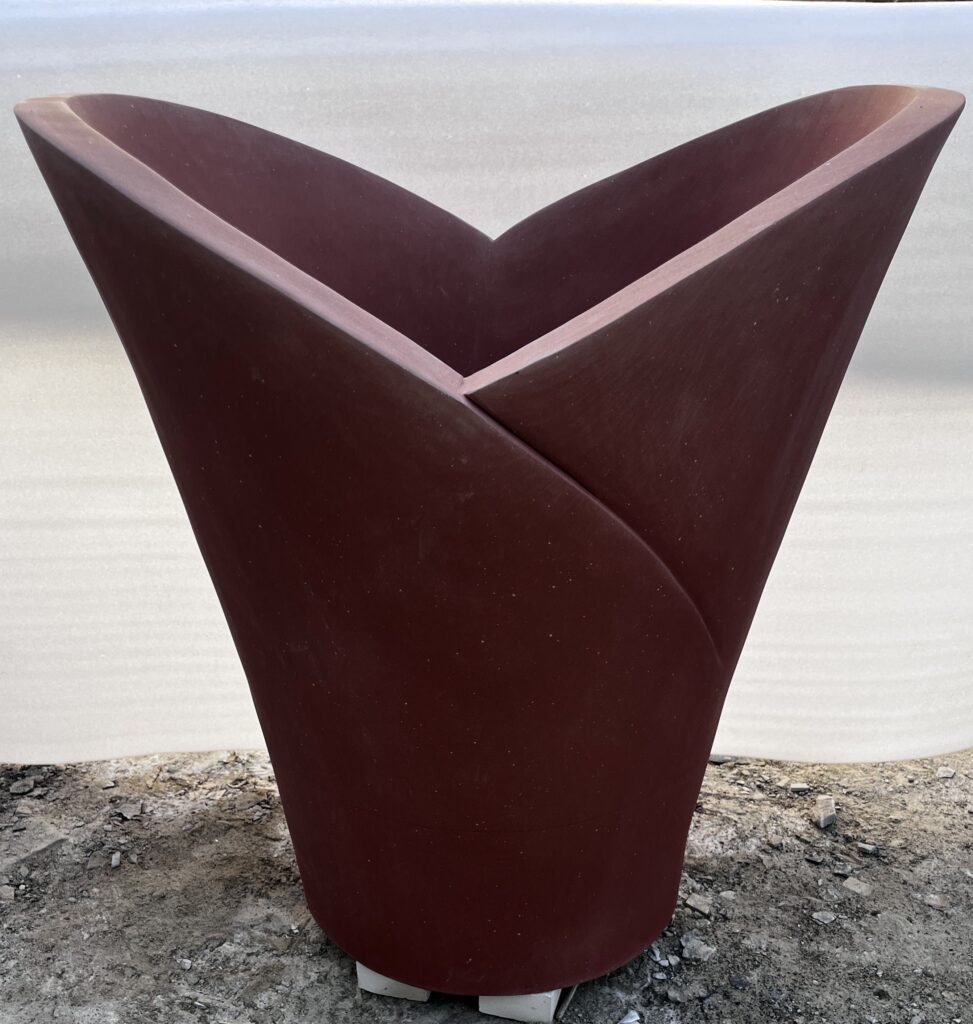
Madras Red Sandstone is a symbol of India’s rich architectural heritage and a testament to the skills of its artisans. Contemporary artists also use Madras Red Sandstone to create modern sculptures as it’s important to preserve the rich tradition of this red sandstone carving. By supporting artisans and promoting the use of this beautiful stone in contemporary art and architecture, we can ensure that this legacy continues to thrive.
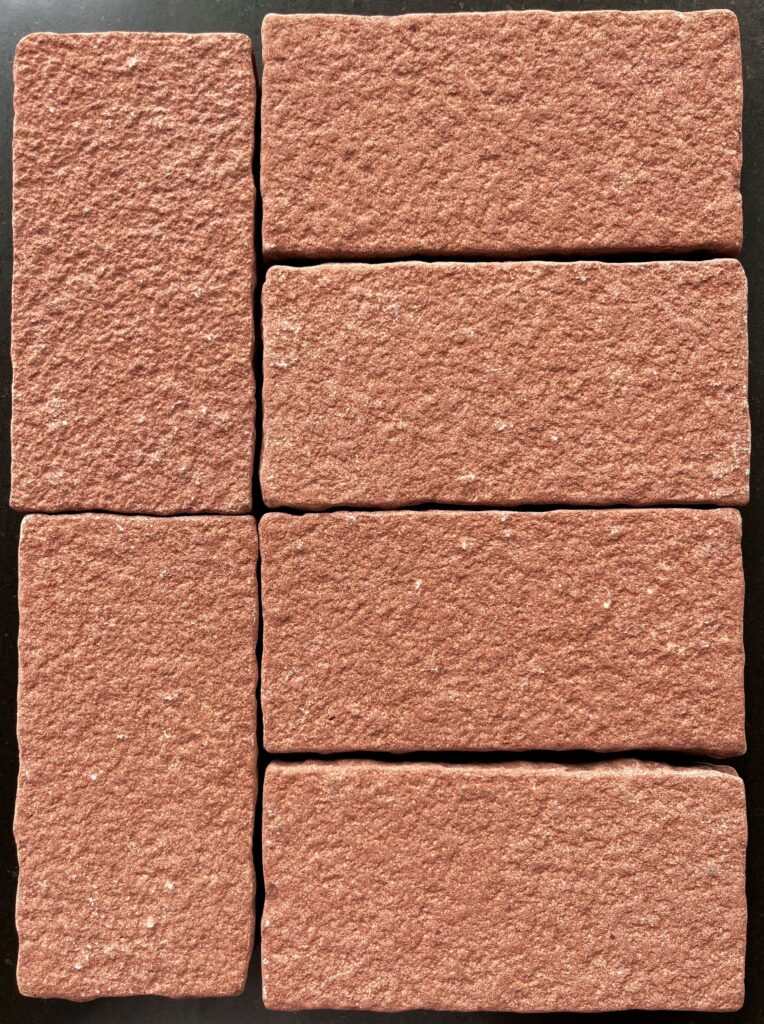
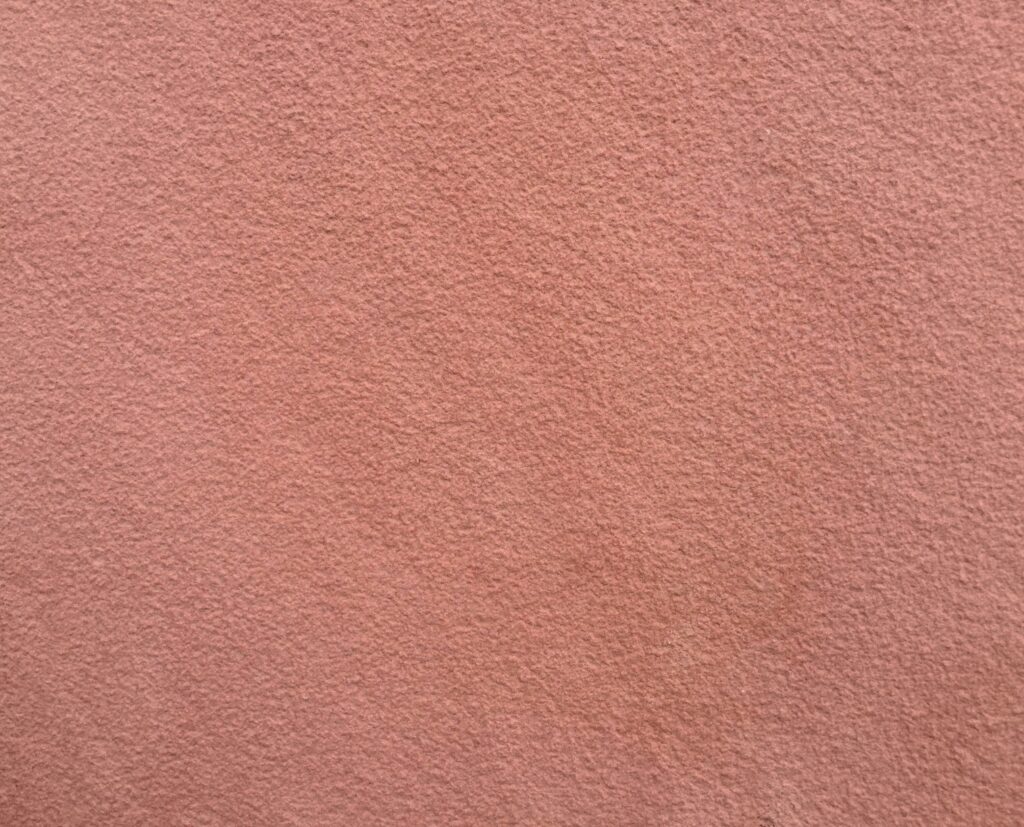
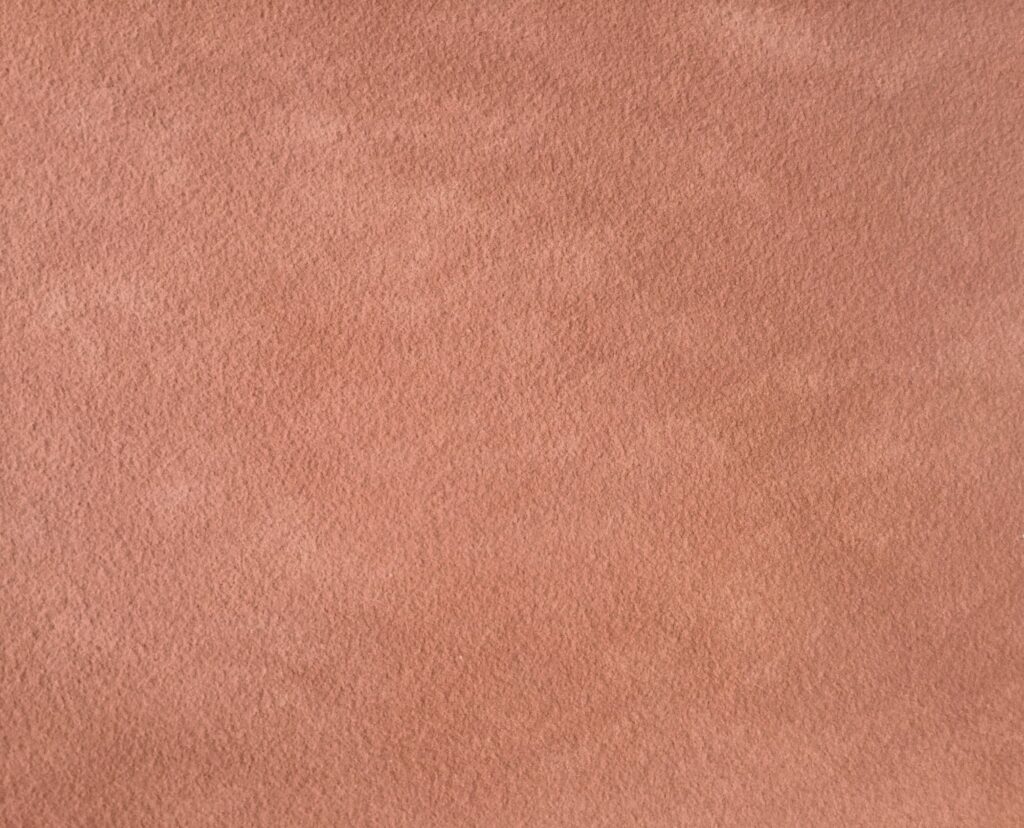
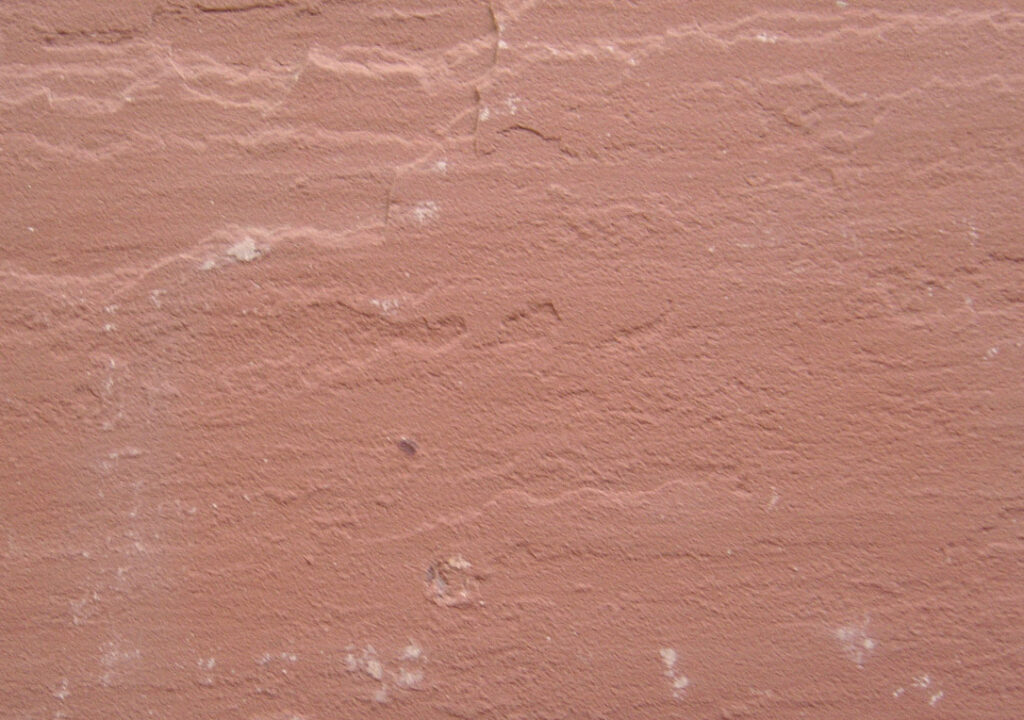
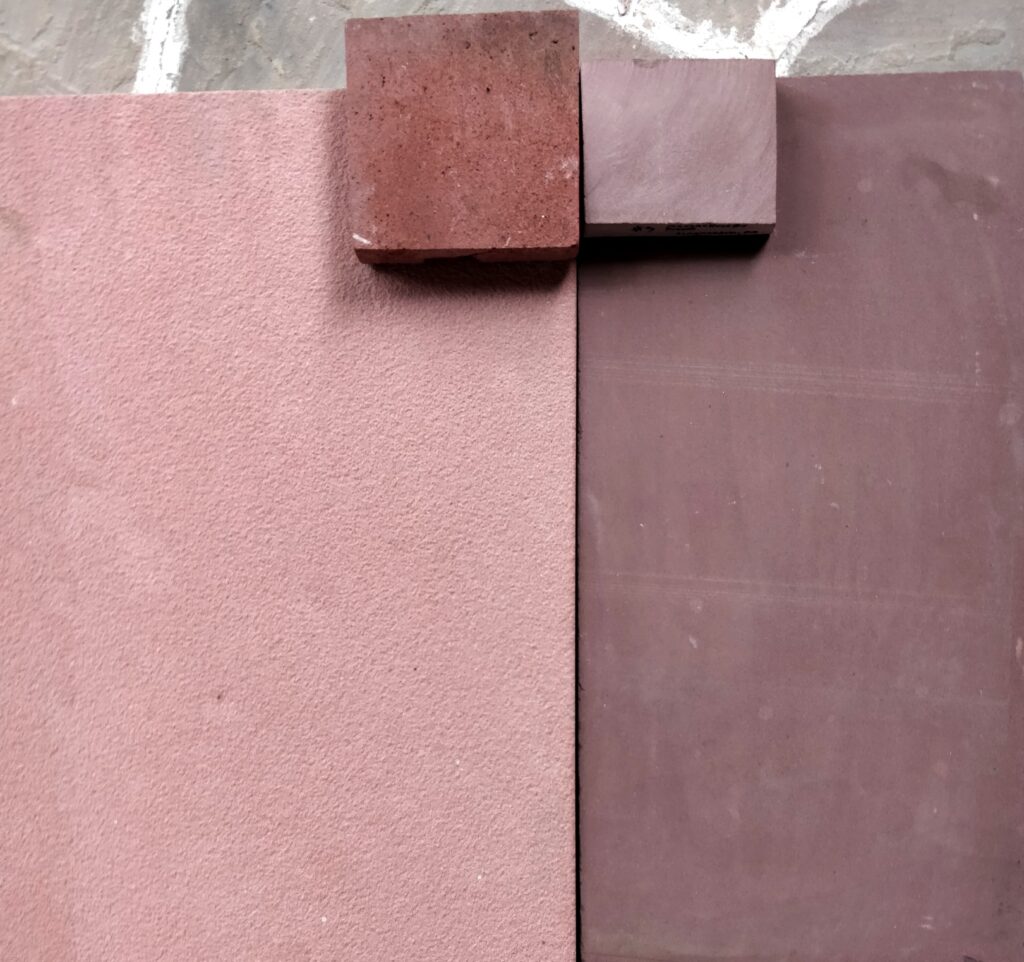
Madras Red Sandstone typically comes in these finishes: